Search This Blog

arc eye hawkfish

Arc eye hawkfish is medium sized marine water fish. The fish is know by many names in aquarium industry such as arc eye hawkfish, ring eye hawkfish, whiteline hawkfish etc. If can be found at various places such as Australia, Hawaii, Africa, Indonesia etc. The fish have light orange or pinkish body with white horizontal stripe over it. The fish also have yellow, orange and blue round ring near the eye. There are even more colour forms and versions of hawkfish are available in market. The fish rest on things such as corals, rocks. If any fish or live food comes nearby it make sudden movement to eat it. Arc eye fish is ambush predator and territorial in nature and must be added at the last. If other fish are added after it they will surely get beaten up. The fish grow up to 5 inches of length and is good for medium size tank.


Tank mates
Tank mates for hawkfish must be hard enough to take the beating. Larger but docile tank mates even get harassed. Small tank mates are get eaten if they fit into mouth. Arc eye hawkfish can open their mouth even larger then expected. Parrotfish, surgeon, hogfish, wrasse can be good tank mates but keep an eye on them. Tank mates even other hawkfishes added after them have to bear even  more attacks.

Tank setup
30 gallon tank will be good to hold single arc eye hawkfish. The tank should have lots of rocks, caves, crevices for them. Add them in reef tank with caution, they are not very much compatible to reef tank. Keep the temperature of tank between 22-26 degrees Celsius.

Diet
In natural habitat arc eye hawkfish perches on smaller fishes and crabs. In home aquarium the diet should consist of mostly meaty food. You can give it crustacean, shrimps, crabs, frozen meaty food for carnivorous fishes, mysis, pellets and flakes. Keep shuffling their diet to give them more colour and health.

Care : easy

Diet : carnivorous

Temperature : 22-27 degrees Celsius

Tank size : 30 gallons

Temperament : aggressive

Tank mates : tough and large

Size : 6 inches under good care

Life span : more then 5 years

orchid dottyback

Orchid dottyback is also very common fish for marine reef tanks. It's striking violet colour grabs attention and love of many aquarist. The fish have black stripe which run from lip to eye enhancing its beauty. Orchid dottybacks are hardy and easy to keep that's why suited for beginners. The fish is quite active, have good bright and beautiful colours. Fully grown dottyback is 3 inches long under superb care. Orchid dottyback have good lifespan of 5 years or more if good care is taken. The fish is good for community tank provided fish tank is not a nano tank. Orchid dottyback born as female but can turn themselves into males. If you have pair of females then larger one probably change herself into male and form pair. It is quite shy and keeps on hiding when newly added. But soon they will gain courage and start exploring new home. The fish is easily available but prices may vary depending upon need and supply.

Aquarium setup
The fish is peaceful but territorial. Orchid dottyback will claim territory in fish tank and defend it seriously. The fish tank must have lots of hiding spots such as caves, holes, rock structure etc. Hiding spots will make them feel secure and help in develop colours. The fish tank must have open swimming space with substrate. The requires less intensity light similar to their natural habitat. High intensity light will make them nervous and stressed. The temperature if aquarium must be kept 22-28 degrees Celsius.

Diet
Orchid dottyback are basically carnivorous. Give them meaty food basically such as brine shrimps, mysis shrimps, chopped krill. They can also accept vitamin enriched flake food and pellets. The food must be vitamin enriched and protein rich so they do not loose color. Diet should be mixer of both live as well as frozen food. Bristle worms and zooplankton are also on their food list.orchid dottyback

Tank mates
Dottyback show some aggression to similar species and for those who have same colour and shape. Damsels, clowns, angels,surgeon , triggers and some wrasses will be good tank mates. Keep them with species which have similar temperament and size. After housing them keep an eye on them for any disputes. Remember the larger is the tank, less is the chances of fight. Mild fishes will be harassed by orchid dottyback.

Care : Easy

Lifespan : 5 years or more

Size : 3 inches

Temperament : semi - aggressive

Aquarium size : 40 gallons

Temperature : 22-28 degrees Celsius

Diet : basically meaty food

yellow tailed damselfish

Yellow tailed damsel fish is marine water fish. The fish is quite attractive and popular because of bright blue colour and yellow patch on its tail. It is well suited for small coral and rock based fish tanks. It enhances the beauty of aquarium up to great level. The fish do not grow very large, their length limits at approx 3 inches. They do not demand large aquariums like other damsel. The fish is gorgeous, inexpensive, hardy, disease resistant and they accepts wide range of food. Due to these points, it is well suited for beginners. Yellow tail damsel have good lifespan of 5 years or more under good care. Breeding can be also done in home aquarium by providing appropriate environment. They are safe for reef tanks. Yellow tailed damsel can be aggressive at the time of feeding and while protecting territory. Put 3-4 damsel in aquarium, it will reduce their aggression.

Fish tank setup :
40 gallons tank will be enough to hold a pair of yellow tail damsel. For larger group you will need more tank space. The aquarium can have corals and lots of hiding spaces. The aquarium must have lot of horizontal swimming space too, since it is an active swimmer.

 Tank mates :
Yellow tail damsel are less aggressive then other damsel fishes. However, they are still territorial and can kill other tank mates while defending their area. Never add any passive tank mates, other wise they will be harassed to death. Larger fish tank will give them more space and territories to claim which in turn reduce aggression of tank mates. You can keep them with tangs, angelfish, trigger fish, hawk fish. But keep an eye on them, if any dispute occur try changing the aquarium setup or separate them from each other.

Diet :
Yellow tail damsel are active eaters and accepts almost anything. They can be fed on flakes, pellets, spirulina, mysis shrimps etc. Do not overfeed them even though they tend to hungry all the time. Give them protein and mineral rich food so they do not loose colour as they mature.

Fish tank size : 30 gallon for 1 damsel fish

Temperature : 23- 28 degrees Celsius

Temperament : semi aggressive ( territorial )

Size : 3 inches

Care : easy

Food : omnivores ( accepts mostly all food)

Lifespan : 5 years

harlequin bass

Harlequin bass are also know from other names such as harlequin basslet, tiger bass, tiger basslets. Harlequin basslets are small and impressive species which make it manageable with aquariums. The fish have beautiful patterns of black and white colour over its body. It's body shape is like a torpedo and have countless lines and black marks on its body. It is also available in other colours such as yellow and tan. Although it do not grow large, but still the fish are aggressive temperament. The fish is extremely hardy and beautiful, which make it good choice for novice aquarist. Under captivity they can grow as long as 5 inches. The fish should be assimilated more then 3 hours before realising to your tank. Harlequin bass are substrate digger, they will try to dig any substrate they found. The fish can prey on smaller fishes or other smaller tank mates. Lager tank mates are hardly bothered by it.

Tank Set up
Harlequin bass are good fish for nano Marine tanks of capacity 30 gallons. The tank must have low intensity light. The aquarium must also have sand substrate, since the fish loves digging. Lots of hiding spots, caves, rock structure, crevices must be present in tank. If you want to keep a group then you must have larger tank because of their territorial nature. The fish is not 100% reef compatible, caution must be taken.

Tank mates
Tank mates for harlequin bass must be choose wisely. The fish is quite aggressive for their own type except for pairing mate. The fish is quite territorial also, the aggression level increases if they are kept hungry. Tank mates must be larger and peaceful. Damsels, clownfish, boxfish, cromis, butterflies, gobies are generally compatible with basslets.

Diet  
Harlquin basslet's diet must consist of meaty food. They need protein rich diet to survive and show colours. Harlequin basslet requires diet consisting of chopped krill, crustacean, mysis shrimps, frozen shrimps, live fish, chopped squid, small carnivores pellets and flake food. Give them 2-3 times per day with the listed food. Varied diet will help them building immunity and colours.


Care : Easy


Temperament : aggressive

Tank size : 30 gallons

Diet : omnivorous

Life span : 5 years or more

Tank mates : peaceful and large

Temperature : 22-26 degrees Celsius

Size : 5 inches

Reef compatible : with caution

golden nugget pleco

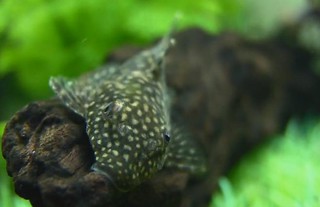
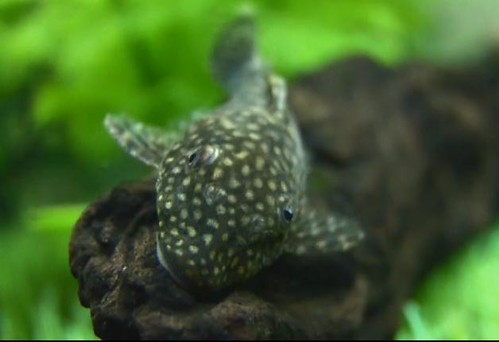
Golden nugget pleco is freshwater fish of sucker mouth group. The fish have beautiful colouration and pattern. Most of them are dark brown in colour with yellow or golden spots on it. The fish is basically bottom dweller and keep on hiding most of the time. They can grow up to 8 inches under captivity, however their growth rate is very slow. They have very long life span, they can live up to 20 years or more under good care. Golden nugget pleco can feed on algae, it can also chew drift wood. These are peaceful but can become aggressive for hiding spots. So give them lots of shady areas to hide. Golden nugget pleco can even eat small fishes which can fit in their mouth. You can keep them with other community fishes which requires same water parameters. Breeding them in captivity is extremely tough. Nugget plecos breed and lay eggs in caves with water flowing across it.
Tank Setup
Minimum 40 gallon tank will be sufficient to hold 3-4 golden nugget pleco. Fish tank must have lots of hiding spots for every one other wise disputes may occur. It must have lots of caves, rocks, drift wood and plants for hiding. The tank substrate must be soft either of small gravels or sand. The light intensity should be low since pleco avoid high intensity light. The water quality must be high as possible with good water current and oxygen level.

Diet
Golden nugget generally eat left over food and algae, which make them good tank cleaner. They are not choosy about their food. You can give them algae wafer, cucumber, pea, prawn ,brine shrimps etc.
Tank mates
Tank mates must be peaceful and large enough to be get fit into their mouth. You can easily keep golden nugget pleco with other plecos, angelfish, tetras, discus, rasboras, danios, gouarmi, barbs, molly, guppy and many more.

Fish tank Size : 40 gallons or more

Nature : peaceful

Lifespan : 20 years or more under good care

Diet : omnivores

Temperature : 24-28 degrees Celsius

Size : 8 inches or more

silver dollar

Silver dollar fish is another popular tropical aquarium fish. The round body and silver colour is the reason for their  name " silver dollar". The fish is quite hardy and easily available in market. The fish is laterally compressed and have scale less body. The fish is peaceful and love to eat vegetable based food. It is well suited for community aquarium. However, the tank mates should be of similar size otherwise they will be treated as snacks. It is schooling fish and best to kept in group of 4 or more. They are generally sold at size of 1-2 inches at aquarium shop. The fish may grow up to 8 inches under good care, so take care while purchasing them. The fish spend its most of time at mid or upper level of water. Silver dollar fish have good lifespan of 10 years or more if care is taken properly.

Fish tank Setup
The fish tank must be properly recycled before adding silver dollar to it. The minimum capacity of tank must be more then 40 gallons. The tank should have normal lightning and medium water current. The plants for aquarium must be chosen wisely. The plants must be hard and able to grow faster, otherwise soon they will be destroyed or eaten. Fake plants, rocks, caves and other hiding spots will be advised to reduce stress of fishes. The fish tank must be covered with lid, since silver dollar tend to jump when scared.

Diet
Silver dollar fish  is basically herbivore, it mainly fed on vegetable based food. You can give them algae wafers, spinach, romaine lettuce, hard boiled pea (internal part), lettuce. You can still give them brine shrimps, blood worms, algae tablets and flake food. Do not give them same food again and again else it may lack in certain nutrient.

Tank mates 
The tank mates for silver dollar can be easily chosen. You can keep them with peaceful fishes of similar length. Small fishes having size of their mouth will be treat as meal. You can keep them with medium tetras, phantom, black skirt, giant danios, swordtail, plecos, catfish etc.
Size : 8 inches

Care : easy

Temperament : peaceful

Fish tank size : 40 gallons

Temperature : 24-28 degrees Celsius

Diet : mostly vegetable based food

Life span : 10 years or more

kissing gourami

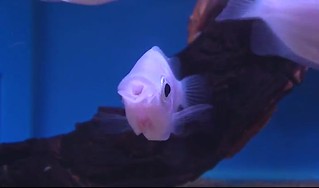
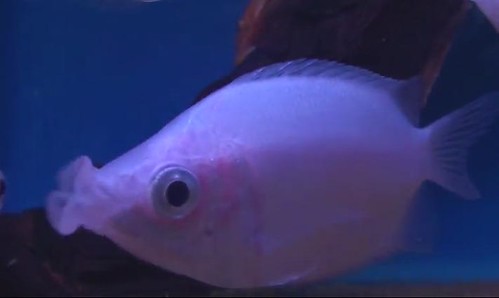
Kissing gourami are one of the most famous fish of gourami family. They have gain this name because of their thick lips. They appears to be kissing when they eat food or graze algae from stones. They also kiss with each others just to show the dominance and to solve the issues. This behaviour is rarely related with spawning because 2 males are also observed kissing each other. In wild they are greenish in color but in aquarium trade pinkish one are famous. Kissing gourami is widely accepted as food in many parts of world especially in Asia. Kissing gourami are laterally compressed and can grow up to size of 10 inches under good care. They can easily live up to 5 - 6 years in captivity.

                                        kissing gourami care and breeding
Fish Tank Set Up 
Kissing gourami demands large size aquarium since they can grow really well. Fish tank of capacity 30 gallon will satisfy the space requirement. Since kissing gourami is a labyrinth fish like Betta fighter that's why they require open surface to breathe. It must be ensured that they are able to access the air above the water. Fish tank must be heavily planted with hardy aquatic plants. Live plants will also be a source of food for them. Fake plants also will be a good option to reduce their stress. It should also have lots of hiding places because larger members like to bully smaller ones. A strong filter must be used and periodic water changes must be carried out since kissing gourami have good appetite. The tank substrate should be of larger debris and stone so that algae can grow on it. The temperature of the fish tank must be in between 22 - 27 degrees Celsius.
                       kissing gourami care
Feeding and Tank Mates
Tank mates for kissing gourami should be chosen wisely. Due to their large size they may harass smaller fishes especially at the time of feeding. Fishes of similar size would be ideal tank mates. If any clashes are observed between tank mates then it would be ideal to separate them. Feeding them is not a big deal for owners, they readily accept wide range of food. You can easily give them phytoplankton, tubifex, brine shrimps, lettuce leaves, blood worms and flake food.

Care : Easy
Lifespan : 5 years +
Tank Size : minimum 30 gallons
Size : 10 inches or more
Diet : omnivores
Nature : Semi - aggressive
Temperature :22 - 27 degrees
Breeding : moderate

how to reduce stress of aquarium fishes

Stress on fish is one of the major factor responsible for their short life span, breakout of various diseases resulting in death of fishes. Since fishes are in captive there is more chance of  stress as compared to wild condition. Stress decreases the immune system of fishes and they loose their natural tendency to fight against pathogens. It is observed that stress causing factors are basically created by the owner of aquarium. So it very important to decrease stress.

Reasons and ways to reduce stress:


1. The most common stress causing factor is the water quality. When quality of water becomes poor, there is more chances that your fish get stress. Water quality degrades after passing of time because of increase in ammonia level because of waste products produces by fishes and extra waste food. So do partial water change of about 40% in week and don't overfeed your fish.

2.When some one purchases a fish from aquarium dealer and transfer it. During the time fish may suffer from stress. Because fish may got scare because of outer world. So put her in plastic bag then in dark bag.

3.Add slowly plastic bag to tank so that sudden temperature change doesn't occur. Then add fish.

4.Over populated tank may result in stress so keep only required number of fishes. The number of fishes can be calculated, you can put 1 inch of 1 fish in per gallon or 4 liters of water. Example if you have 2 fishes whose size are 2 and 3 inches then you require 5 gallon aquarium.

5.Sudden change in pH or temperature of aquarium may result in stress, so use aquarium heater wisely and make sudden change in aquarium heater efficiency.

6.Lights are also major factor don't keep on lights 24 hrs a day. Try to maintain as normal as outside.

7.One of the most important way is to provide lot of hiding places in aquarium.

8.Try to provide water plants to aquarium fishes.This also helps in decreasing stress.

9.Also provide good nutrient diet rich in protein and vitamins to fishes. This also decrease stress and keep them healthy.Also provide live food to fish who are omnivorous.

10.Avoid scaring of fish by children, surrounding change and movement of water roughly.

11. Compatible tank mates, otherwise they will chase each other and increase stress.

12.Some fish likes to live in group like rosy barb etc so keep them in groups.

By following above points you can decrease stress to great extend.

treatment of itch on fishes

Since itch is very common fish disease it's treatment methods are widely common and effective. Whenever you found symptoms of itch on your fish which i have told in previous topic you should immediately take a steps for treatment, it because it is extremely communicable and fatal disease.


Treatment :


Most Basic :
The itch is life cycle is temperature dependant. On raising temperature itch cycle speeds up and on further increasing temperature to 30 C/86 F, stops the itch reproduction cycle and on further increasing temperature to 32 C/90 F, the itch starts dieing. But it is extremely important to see that your fishes can tolerate that amount of temperature. So if you are having tropical fishes which are temperature resisted you can try this. Also it is important to see that on high temperature metabolism rate of fishes increases and they require more oxygen. So increase aeration in your tank. This method is sometime adopted with salt method.In salt method some amount of aquarium salt is added to the tank. The quantity is 1 teaspoon of salt per 4 litres or 1 gallon. There are controversies regarding use of table salt(iodized). Some people says that it can be used for treatment but some says it doesn't. Also keep in note that you should no use this method with scaleless fishes like cat fish because their skin is very sensitive.
So raise the temperature to given value and add the required amount of salt .And keep the temperature up to week.And keep changing 1/4 amount of water daily.

Note:Do not change temperature instantaneously.1 c/2 f in 4 hrs till it reaches the specified marl.
Also do not add salt crystal first dissolve salt in other container then add that solution to tank .

Other method:Use of medication
You can go to pet store and ask for medication for itch treatment. The medication which are available are malachite green, methylene blue, quinine hydrochloride etc are easily available. You can use as prescribed on them or by the dealer. Raise the temperature to increase rate of life cycle.If you have scaleless fish cut the dosage to half. Discontinue carbon filtration as it remove chemicals. Perform treatment for 10 to 14 days even after itch is removed.

Precaution:
1. Do not add any thing from tank which was infected by itch before treatment.
2. Put newly bought fish in quarantine tank for 2 weeks to check for any sign of any disease.
3. Maintain good water quality .
4. Avoid any kind of stress to your fish.
5. Give a good diet to fish rich in vitamins and minerals.


bristlenose catfish

Bristlenose catfish is one of the most popular algae eating catfish. They have distinct look and peaceful nature which attracts most of the aquarist. The other advantage is they are algae eater. They have sucker mouth and long tentacles on their mouth when they are fully grown (6-9 months old). Bristlenose catfish are generally have black or brown background with yellow and white spots. They indulge themselves for cleaning of your fish tank night and day. They are bottom dwellers and eats all the uneaten food from the bottom. Bristlenose catfish are hardy in nature and adaptable to wide range of water parameters. However you should avoid the extremes. They do not grow to very large, males generally grow up to 6 inches and female up to 5 inches. They can live up to 10 years under proper care.
Feeding                         bristlenose catfish tank.JPG
Even though they eat algae but you should also feed them specifically. Take care that they do not lack in specific nutrient or vitamin. Bristlenose catfish are omnivorous , they readily accepts food from wide domain. They happily eat vegetables like cucumber, hard boiled green pea (not skin), zucchini, lettuce leafs,spinach etc. They can even fed on sinking algae wafers, blood worms, pellets etc. However it is advised to shuffle the diet regularly.
bristlenose catfish care.JPG


Fish Tank Set Up
Bristlenose catfish can happily live in small fish tanks. 10 gallons capacity tank will be sufficient to carry few pairs. Bristlenose catfish spends most of their time in hiding. The fish tank must contain lots of hiding spots in form of drift wood, caves, plants. Keep the temperature ranging from 22 - 27 degrees Celsius. Maintain the water quality at its peak by regular water changes.
Tank Mates
Since bristlenose catfish are peaceful fishes they can easily housed with other peaceful fishes such as neon tetra, guppies, mollies, platies, danios and hatchets. If you are having large tank they can easily live with angelfishes, firemouth, tiger barbs and few gouramies.


Care : Easy

Fish tank size : 10 gallons or more
Size : 6 inches males ( 5 inches females)
Lifespan : 10 years or more
Nature : peaceful
Breeding : moderate
Diet : omnivorous especially vegetable

oscar cichlid

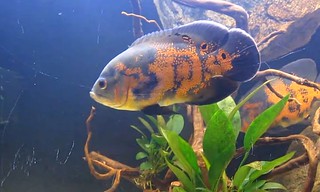
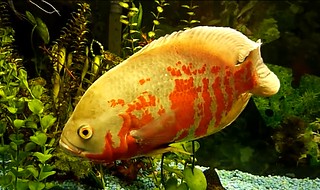
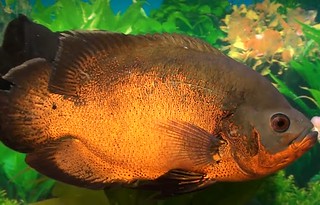
Oscar fish came to surface at feeding time and may touch the hand of owner.  Oscar fish sold at low size in aquarium shop so don't get confused and have well prepared long fish tank for them. Oscar is basically carnivorous fish and can have brine shrimps, beef heart, blood worms, frogs etc. However they have learnt to fed on pellets and flakes. Keep changing their diet so they never lack any specific nutrient so take care of it. Never compromise on the food quality. They reach at sexual maturity at the age of about 1 year.

oscar_cichlid_fish_care
 Oscar cichlid fish is not a good community fish and can become predatory to other fishes and definitely kill them. Fishes of same size and nature can become good tank mates. The temperature of fish tank should be around 23 - 28 degrees Celsius. Always maintain regular water changes and maintain good water conditions. Feeding oscar cichlid other small fishes regularly may lead to deficiency in certain vitamins and may susceptible to other deadly diseases.
oscar cichlid care
Care : Easy

Nature : Aggressive

Fish Tank Size : 55 gallons or more

Temperature : 23 -28 degrees

Breeding : Moderate

Lifespan : 10 years or more

Size : 15 inches or more

Food : Basically carnivorous ( pellet and flake can be fed )

Breeding 
Oscar cichlid fish are very selective while choosing their partners. This can be done by letting them forming pairs themselves. Just bring about 6-8 small fishes and so that they can form pairs while growing.  You can also ask aquarium dealer for proven pairs. Breeding oscar fish somewhat resembles breeding other cichlid fishes such as discus and angel.

oscar cichlid breeding
While growing oscars will form pairs. Hopefully you will get 1-2 pairs. When the pairing is done their aggressive nature increases. Now the tank mates which were tolerable up till now soon seem to be in threat. So remove every other fish except the pair. Give them protein rich food especially live food such as brine shrimps, cricket, blood worm, earth worms, bait fishes etc. Change 20 -25 % of water every week and add peat moss to encourage breeding. Raise the temperature from 78 F to 84 F. Spawning is generally aggressive ,both may seems to having lip lock and tail slapping.

Now they will find a site and start cleaning it off. You can put spawning slate or marble piece so that they can lay eggs. They may even dig a pit in substrate and lay eggs in it. Also do not disturb the oscar cichlid too much during spawning. Soon the female will give about 1000 of eggs and after some days  fry will come out. Fry are sensitive to poor water condition so avoid it. You can try feeding them crushed flake food or baby brine shrimps.

tiger barb

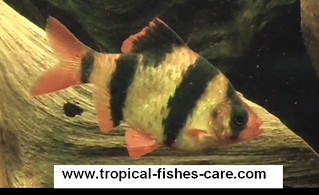
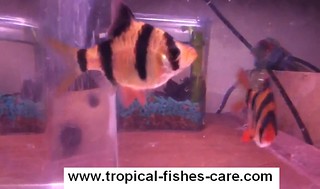
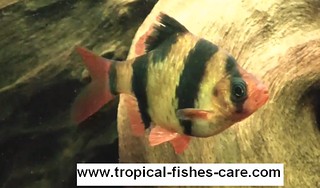
Tiger barbs are little aquarium fishes. They are found in some parts of south east Asia. They have black color strip on their body like tiger. That's the reason  they got the name "Tiger Barb". Their lifespan is of about 5-6 yrs if care is taken properly. Their maximum size is of about of 3 inches when kept in big place. They are omnivorous in nature and eat almost any thing which fits in their mouth. They are active swimmers and utilises aquarium space very well. Tiger barbs adds lot of activity and liveliness to your fish tank. They are aggressive in nature and they can eat fins of slow moving tank. Those fishes who have large fins like angels and tetras can become their target. Tiger barbs can be kept in temperature ranging from 23 - 26° C (74-79° F).
tiger barb care
                                      tiger barb care
Temperature : 23 C to 28 C
Tank size : 10 gallon
Lifespan : 5 yrs
Care : Easy
Size : 3 inches
Nature : Semi - aggressive
Breeding : Moderate
female male tiger barb fish
Difference between male and female tiger barb
It is quite easy to distinguish between male and female tiger barbs. The females are generally bigger in size then males and have rounder belly. Males have distinctively red noses and above black part of their dorsal fin you can find characteristic red line. While dorsal fin of female tiger barb is mainly black. The male tiger barbs are also have darker body as compared to females.
You can easily get idea by looking at the above images. The top one is female while the bottom one is male with darker body and red nose.
tiger barb breeding
Tiger barb breeding
Tiger barb fishes are easy to breed. They are egg layers and give hundreds of eggs at once. To carry out breeding you will need 5-6 fishes in a aquarium. Let them pair up themselves to form good pair. Put some plants so that they can lay eggs on their leafs. They release about 300 eggs at once. Tiger barbs achieve sexual maturity at the age of 7 weeks. After spawning they eat their eggs so you need a proper measure to protect eggs from their parents. You can try layer of common glass marble on bottom of tank to protect eggs. Use large water tank of about 20 gallons capacity to breed. When female will become fat it means she is carrying eggs. Soon the male will fertilise them after their release.
tiger barb breeding
 In few day extremely small fry will come out from eggs. The fries becomes free swimmers in about 5 days and you can feed them newly hacthed brine shrimps. Fry are extremely sensitive to poor water conditions. So keep water quality at its peak. Also protect fries from getting sucked up by aquarium pump. Breeding tiger barb is easy if proper measures are taken.

indian glass fish

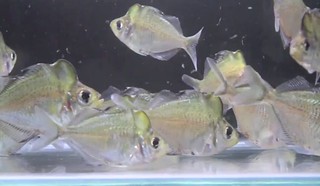
Indian glass fish are famous for their transparent body. All the organs of the fish are completely visible like their bones etc. So due to this nature they gain some name in the aquarium world. These fishes are readily available in some parts of Asia especially in India. Due to this reason they are also famous by the name of Indian glass fish. Indian glass fish can grow up to size of 3 inches .They lives in standing water and breed heavily in rainy season basically in July -August. They feed on small worms or any other small edible insect. Since these fishes are tropical fishes so they demand some temperature in water. The temperature should be in between 20- 30 degrees. They can live up to age of 3-4 years if good care is taken.
glass fish care
They are schooling fishes and should be kept in group of 6-7 or more otherwise they will become shy and nervous. The breeding type is egg layers ,female gives batch of eggs and male fertilises them. The fish tank of indian glass fish should be heavily planted and the tank mates should be peaceful other wise they will harass the glass fish. For breeding glass fish the aquarium should be heavily planted and with adequate sunlight. Some time these fishes can be found in several color however this color is not natural. This is done by injecting dye in their tissues. After coloring these are sold under the name of " Disco Fish ". Injecting of dye should be discouraged as they suffers from torture during injecting dye and become vulnerable to other infections. They can be easily kept with peaceful fishes which include most live bearers like molly, small loaches like clown loach and few barbs.

Size : 3 inches

Care : Moderate

Diet :Omnivorous ( accept frozen ,live ,dried food)

Temperature : 20-30 Celsius

Tank Size : 10 gallons

Lifespan : about 3 years

Nature : peaceful

convict cichlid

Convict cichlid is is one of the famous and favourite aquarium fishes of the cichlid family. Cichlid family of fishes is famous for its beautiful, elegant, smart fishes like angelfish, discus fish , oscar and many many more. These traits are easily found in convict cichlid. These are beautiful fish having black stripes on white body. They are hardy in nature and can deal with wide range of condition. If you want beginner and want any cichlid in your home then convict cichlid is best option. They demands no special care. The breeding of these species is very easy, no extra preparation is required. Convict cichlid have healthy lifespan of 10 years under normal care.
convict cichlid breeding
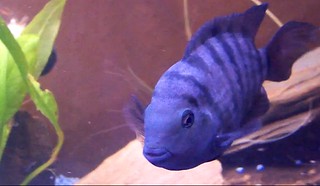
These fishes live happily in small tank of size 25 gallons, for a pair. They do not grow very large and attain the maximum size of 6 inches if care is taken properly. The temperature of the fish tank should be around 21 C - 26 C. You can add stones, rocks, marbles as decoration in fish tank. Which will look like their wild habitat. These fish are territorial and can become aggressive to protect their territories. So do not put soft and small tank mates so, take care while choosing tank mates. You can go for green terror, oscar or larger barbs as tank mates. But take care of their size. Convict cichlid may even knock down larger fishes then its size. They are omnivorous and can accept almost any food you provide. They are also know as zebra cichlids .
                                        convict cichlid breeding and care

Care : Easy


Lifespan : 10 years


Breeding : Easy


Nature : aggressive

Fish tank Size : 25 gallons

Food : omnivorous

Temperature : 21 C- 26 C

Breeding
Breeding convict cichlid can be easily done in your home fish tank. Convict cichlid breeding does not require any special equipments or preparation. They gets mature enough for breeding at early age of 5 months. The main important thing in breeding convicts is that you should have pair of male and female. For getting a pair you can get by getting 6-7 small cichlids and raise them in you tank. Soon they will form a pair and occupies a territory chasing other fishes off. Now your pairs are ready to spawn.Maintain the temperature of fish tank at 21 C -26 C with regular water changes.
You should remove other pairs to other tanks. In the chosen territory they will dig a pit or may clean any flat or slanted surface to lay eggs. The female will lay eggs on the surface of any marble piece, rock surface, flowerpot or any other place if present. If any other fish is present convicts will protect their eggs. If you are not able to see the eggs then you should observe the behaviour of parents they will spend their time near the location and waving her fins. You do not need to remove parents as they effectively take care of babies.
After 3-4 days the eggs will hatch. You do not need to feed for 2-3 days as they have egg sac to feed on. After few days you can give them baby brine shrimps, microworms or any other crushed flake food till they gets mature enough.

Harlequin rasbora

Harlequin rasbora is tiny and cute aquarium fish of the rasbora family. Harlequin rasbora are laterally compressed with triangular black color patch on their body. The black color patch starts from the middle of their body and tapers toward tail. They can grow up to size of 1.5 inches to 2 inches with healthy lifespan of 5 years. There is further 2 varieties of harlequin available in market which are golden, black and wild type. This fish is readily found in rivers of Malaysia and Sumatra. Harlequin rasbora have peaceful nature and should be kept be other friendly fishes. These are shoaling species and should be kept in shoal of 6 or more otherwise you will not observe their natural behaviour. They are very hardy in nature and can easily thrive in wide range of water chemistry.
Tank Setup
Harlequin rasbora does not demands large aquarium space, small fish tank of capacity 10 gallons will serve the need. Add lots of plants and vegetation at the corners of fish tank which is similar to their natural habitat. Also put drift wood and fake plants so that they can take rest under them or hide. Front space of fish tank should be left open for free swimming. Also add dark substrate to the tank with low intensity lights. Broad fine leaves plants should added in case of spawning. The temperature of fish tank must be in between 23 - 26 degrees Celsius.
Feeding and Tank mates
Harlequin rasbora can be fed on wide range of foods. Which includes flake food, frozen or live food, vegetables, mosquito larvae, tubifex and tablet pellets. Harlequin rasbora's tank mates must be peaceful just like them. Guppies, neon tetra, platy, betta, rummy nose tetra, zebra danios and loaches will be ideal tank mates.

freshwater angelfish

Freshwater angelfish are one of my favourite aquarium fish.These are extremely beautiful creature because of there shape and personality.Angelfish are laterally compressed with 2 long fins coming out from top and bottom.Is is quite elegant watching them swimming.Sometimes they even have vertical stripes their body.They are quite and calm by nature but sometimes get excited during feeding or spawning time.You may find them easily at your surrounding aquarium shop and they are quite cheap too.But don't get fooled by their size while they are in aquarium shop.They keep them in small size but they can grow up to size of 6 inches.They have long lifespan of over 10 years if you provide them good water and food.They are quite intelligent,because they know their feeding time.They are omnivorous and can eat tropical flakes, daphnia or brine shrimps,plant matter or sometimes their tank mates if they are small .Also don't put them with fin niping fishes such as tetras and barbs.You can put 1 adult fish per 5 gallons or more.They are available in wide variety.Growing angel fish may need 3-4 time of food per day.Change 25% of water per week.

Size : 6 inches

Lifespan :10 years

Diet : Omnivorous

Temperature : 74 to 84 degree Fahrenheit

Water : pH should be 6.5 to 7.5

Breeding : egg layers

Breeding :
For successful breeding you require a healthy pair of angel fish.But before spawning it is very difficult to decide which one is male and which one is female.Until you look them at the time of spawning while watching female laying eggs and male fertilizing them and noticing their size of papilla .Male's papilla is small while females papilla is wide and blunt.
So you need a pair of angel fish.The best way to do it is get 8-10 young angel fish and put them in 50 gallon tank.The height of tank should be about 18 inches.When they get their size of about 1.5-2 inches in diameter or at a age of 1 year, they will pair off themselves,and they will select a territory and chase other fish way.This is a sign that pair is formed now move this pair to separate tank.From a group of 10 you may get 3-4 pairs.

You may need about 20 gallon tank and 18 inches high.Maintain regular water changes.The water temperature of angel fish should be kept between 80 - 85 degree F( 27 to 29 degree Celsius) .Give them good quality of food rich of protein like daphinia,beef heart brine shrimps, mosquito larvae etc.Five minute of feeding is enough. If food is left even after 5 minute then remove it.If female become aggressive and having bulging belly then she may be carrying eggs.To angel fish grooming each other is also a sign that they are going to spawn .Before spawning they show their papilla .Papilla is a Small pink organ present near their anal fin.They also lock their lips and twist around.When they are ready they choose a site to lay eggs which may be any flat surface or broad leaves of aquarium plants and they will star it cleaning.You can put spawning slate so they lay eggs.[Image]Now the female will deposit eggs on the slate or at any other place such as plant's leaves.
The male angelfish will fertilize them by touching eggs with its papilla.If their is no male present then other female may do the same but this will not result is fertilization and soon eggs will turn white.
After fertilization If their are other fishes also in the same tank then they may eat the eggs during the night.However the pair of angelfish tries to protect their eggs.So you must replace other fishes from the tank where angelfish pair is present or you should have put pair in separate tank before spawning.Sometimes it is also observed that parents may eat their eggs and sometimes they protect.So you must take a note on that.You can put a spawning slate,or piece of marble,or smooth tile.This will help to move the eggs to separate tank.You can put a pot in tank then move slate or eggs to that pot without taking out them of water. Because eggs may not survive on air exposure.Now move that pot counting water and eggs from tank to another tank.[Image]After about 48 hrs eggs will start showing fry tails.On third day you can see their yolk sacks.These will be still attached to the slate or leaf.If the parents are in still in the same tank they may start moving small fry.After a week you will find them swimming freely now they will need food.

clown loach

Clown loach fish is quite popular aquarium fish because of their colored body and then they seems to be quite different in terms of shape.They have lively personality. Clown loach fish are active schooling fishes.They live happily in group of 5 or more else they may get stress. Clown loach are laterally compressed and have 3 black stripe on their orange body . Stripe may fade with the passing of time.These are sold when they are quite young at the size of 1.5 inches and are widely available in aquarium shops.But remember they can grow about 6-10 inches even in captivity.So if you are having a small or medium aquarium then you should drop the idea of getting them because they are active swimmers and requires lot of swimming space. They make clicking noises when they are happy or stressed.If care is taken properly they can have healthy lifespan of about 10 years.These fishes require high standard of water condition as they are extremely sensitive to pollutants and other nitrates.So do take care of water standards .These are peaceful fishes .Small fishes like platy, guppy can live happily with them and can breed easily in presence of clown loach fish .The tank should not have very intense lightning and have soft substrate.The aquarium should have lots of hiding places made of woods ,rocks and plants.Provide live plants in tank if possible.Plants should be strongly hold at the bottom as they can dig and uproot them.Water change is needed so do it every week .Change 25% of water weekly.

Note: These fishes have bifurcated subocular spines, which are used for defense or attack for others.They may use it if caught in net and may harm owner or itself.So use very large bad or solid container while being moved.

Sometimes clown loach swim on their side or upside down, or appear ill.They may even lie on their side on the bottom of the tank and appear dead.This is normal behaviour show by clown loach .So aquarist should not remove them until he is confirmed.

Size : 6-10 inches
Lifespan : 10 + years
Aquarium size : minimum 50 gallons
Nature : peaceful
pH: 6.5 - 7.0
Temperature : 78 Farenheit to 83 Farenheit ( 25 - 30 degrees )
Feeding : Omnivorous, can be fed on both live as well as frozen foods.
Breeding : Rarely breeds
Care : Moderate

You might be interested in 

Identify male female clown loach
 It is quite tough job to distinguish between male and female clown loach fish. However you can predict whether it is male or female by looking at their tail. The mail's tail is generally larger and hooks inwards rather then pointing straight out from the body. While the females are more smaller and slender. The tail appear like a claw in case of males while female's tail is not like this. I guess this information is useful for you for differentiating between male and female clown loach fish.

Breeding
Clown loach fish breeding is quite complicated task.They are egg layers. Breeding clown loach in aquarium is very rare and difficult. You need lot of luck and hard work to carry out their breeding .They must be sexually mature to carry out breeding generally they become mature at the size of 7 inches or more.

Tank Setup
You should have large aquarium minimum of 50 gallons with good water quality. Set the temperature to 85 Fahrenheit or 29 Celsius. Ammonia and nitrite should be around 0. Nitrate level should be less then 20 and pH should be 6.5. You should have lots of live plants in aquarium.

Behaviour
Clown loach starts eating live fishes as their food few weeks before spawning.The size of girth of females increases before spawning and it increases very rapidly. Then the female may spread the eggs in aquarium. They may eat their eggs so remove parents to another tank. Give liquid fry food to babies for first few weeks. After 2-3 weeks give them crushed flake food. Take care of fry. Give them food 5-6 times a day. Don't overfeed clown loaches it may be harmful for them. Keep changing some amount of water in 3-4 days.

goldfish

Gold The goldfish is one of the most familiar aquarium fish. These are beautiful fresh water fishes. They can be easily seen in movies and easily available at pet store. Goldfish have memory span of about 3 months and can distinguish between various colors and shapes. Goldfish are omnivorous, they can accept wide range of foods. Give them only two minute of food. They have healthy lifespan and gorgeous looks.

They are tough, resilient and demands less care which make them excellent choice for beginners. Goldfish have good appetite which may pollute water much more rapidly so maintain good quality water by partial water changes. The sudden change of temperature in the aquarium should be avoided. It may kill your fish within no time.
They are available in many varieties like comet, black moor goldfish, fantail bubble eye and many many more.


Temperature : 20°C (68 °F) and 22 °C (72 °F)


Life span :About 10 yrs


Breeding : Egg layers


Care : Easy


Tank region : all over the tank


Nature : Peaceful

Breeding Difficulty : Moderate

Tank Size : 20 gallons

Difference between male and female goldfish
Generally the female gold fishes are slightly bigger then males. They have bigger stomach and believed to have small fins as compared to males. The most important difference is that males develop white spot on their gills and pecotals during the time of spawning which are know as breeding tubcles .

Male gold fish have firm abdomen while in females area between pelvic fin and anal fin is more pliable. The other difference is male goldfish have long and pointed pectoral as well as stiff fin ray while females have more rounded pectorals and shorter, finer front fin ray.
Male goldfish have smaller and more oval anal opening while females have larger and rounder anal opening. Males have less thicker anal fins and it is generally observed that males chases females. By time and experience you may also become expert in distinguishing them.

Breeding goldfish at home

Breeding goldfish is not a easy task especially for begginers. If this is your first time you can opt for molly fish which is extremely easy for breeding even in small tanks. However if you determined for goldfish breeding then you need lots of work to do. You will need approx 20 gallon tank with live plants in it and 2 females goldfish with 3 males. Ensure the fishes are in healthy state. I hope you have already differentiated between their sexes. However it is easy to differentiate them at the time of spawning. Feed them live food like insect larvae, worms and brine shrimps.

How to spot spawning time:

Females goldfish become heavier and thicker due to eggs.

Males develop white spot on gills when they got ready.

Spawning usually occurs in the morning.

Color of fishes become more brighter.

Males chase females at random.

Then particular males chases one particular female more then before.

The male goldfish gets aggresive and push against females till she ejects egg.

When the eggs are out male deposits milt on them.

Then the eggs fall in water and on plants till they hatch.

The spawning may begin after some days of rest.


Note:The goldfish are egg eaters so remove them after spawning.

Set temperature to 21ÂșC .

Put few drops of methylene blue to prevent eggs from fungus. Babies are not needed to be fed up to 24 hrs because they have egg yolk sac. After hacthing they will sink to bottom of the tank. Try not to disturb them at this stage. The process of sinking is normal. When sac is absorbed feed them baby goldfish food or hard boiled egg yolk. After it shiphone the uneaten food but not babies.

gold severum

Gold severum is one of the popular species of cichlid type. The other popular severum is green severum which is however less popular then the gold one. The gold severum is laterally compressed and shape is like of disc. This fish resembles to the discus fish. But it is cheap ,smaller and care is easy as compared to discus. The gold severum has bright yellow color with pattern on its head and body. The gold severum has affectionate personality as they can be fed directly from owners hand.
They demand less care and be used to carry out breeding. They can be fed both live and frozen food. Give them protein rich food which have to develop their colors effectively. Change small % of water weekly to maintain them at good health. Gold severum likes to dig the substrate so provide them soft substrate or sand. Also they can dig plants root to some extend so hold them tight with surface of fish tank. They can grow up to size of 6-8 inches in captivity.
They are semi aggressive in nature and can be easily kept with species of similar size and temperament. Avoid them with molly's, fighter or any other docile fish. You can put them with angels, catfish, gouramis, loaches of same size and parrot cichlid. However they become more aggressive during the time of breeding and like to chase of other fishes. These are tropical fishes and demands some temperature in aquarium.

Fish Tank : minimum 20 gallon

Lifespan : about 10 years

Temperature : 23 - 27 degrees Celsius

Breeding : Moderate

Food : Both live and frozen food

Temperament : semi - aggressive

Care : easy
Difference between male female severum
The general difference observed is that the male gold severum have pointed dorsal fin. The anal fin of male severum is also more pointed as compared to female severum fin. The other difference is , male have more developed designs on their head while female have very less or no design.

The female also have dark spot near dorsal fin. Some times male may develop a small hump on its head known as nuchal hump. You can observe nuchal hump easily on flower horn fish.

Breeding gold severum
For gold severum breeding you require a healthy pair of male and female. Gold severum gets ready to breeding at 4 inches of size. You can distinguish male and female on the basis of pattern and size. For breeding they are required to form pairs. They form pairs on themselves. Yon bring 6-7 young gold severum and grow them together. They will form pair while growing.

Tank Setup :
For breeding gold severum the breeding tank should be bare bottom. You can add slate or plants with fine leafs as breeding spot. Maintain the water condition at its peak as described in fish care section. You can use separate aquarium as breeding tank because gold severum may become aggressive to other mates at the spawning. They will chase off others and protect the eggs. Do regular water changes and provide live food mostly to encourage them for breeding.

Spawning :
When they are ready to spawn you can observe them locking their lips with each other and tail slapping. The female will deposit eggs on any flat surface present in the tank it may be rock or slate or leaves. Then male will fertilize them. Soon they will be ready to hatched in about 3 days. The eggs left unfertilized will turn white. When the eggs will hatch the parents will take care of them. Some time they may eat the fries but don't worry soon new batch will come. Gold severum breeds on weekly basis at interval of few days. For more successful chances of breeding you can remove eggs to another safe place. Just take the rock or wood drift where eggs are present ( after fertilization ) to another aquarium with same condition.

Keep the eggs in water all the time. You can do this by putting a small beaker in breeding tank then when beaker gets filled with water move the eggs into beaker then pick up the beaker and put it again in separate fish tank. Also add an air stone to the tank where eggs are present.


Fry care :
Mostly parents will take care of fry for 1-2 months. They will find a safe place and move them their and guard them. You can provide them newly hatched brine shrimps and microworms or any other baby food.

dwarf gourami

As from the name we can say that these fishes does not grow large. Dwarf gourami fish are colourful fishes having colored pattern all over their body which really make them attractive. Also care is less demanded. Their maximum size is of about 2 inches. However other members of same family can grow up to 2 feet such as giant gourami and it can live even more then 20 years in aquarium. As you might be knowing that lifespan of fish is generally proportional to their size. Other medium size gourami is " kissing gourami "which may grow up to 10 inches. The other smaller one is talking gourami also know as " croaking gourami "as they made croaking sound at night while breathing.

Dwarf gourami are omnivorous in nature and eat live as well as other food. Also provide floating plants and vegetation in aquarium. Since these are shy in nature so provide lots of hiding places. Dwarf gaurami will do well in 5 gallon aquarium or more. Dwarf gourami is sensitive to noise so put them in quiet place.
Similar to Betta or fighting fish these belongs to labyrinth family. Fishes belonging to this family have special capability to survive in water having less oxygen. These can breathe directly from the air above the water. So remember they should able to access the surface with proper airfloe otherwise they may die.
Dwarf gourami are docile and shy in nature. So take care that these are not harassed by other larger fishes and may died. Even they may be tortured by larger gouramies. They even don't retaliate. So put them with peaceful species of almost same size or smaller. Also don't put them with fighter fish because they show some aggression with similar species because they may claim their territory.

Breeding : nest builder/egg layer

Diet : Omnivorous

Nature : Semi aggressive

Tank region : Middle

Temperature : 77 f or 25 C

Tank size : 5 gallons or more

Care : Easy


Identify between male and female dwarf gourami
Dwarf gourami fish are very popular aquarium fishes because of their beautiful and colorful pattern on their body and their docile and shy nature. They are quite easy to breed also which add also a plus point to their popularity. For breeding you need a pair of male and female so it is very important to know difference between their sexes. It is quite easy to find difference between male and female on the basis of their color and their fin shape. Generally males are more colorful then females. While the female have dull greyish color with faint green horizontal strip. The other difference is that the dorsal fin of male's are pointed while the female's is rounded or curved and shorter in length. Above one is male while below one is female. Look at the difference of color and fin shape in both dwarf gourami fish .

Breeding Dwarf Gourami

Dwarf gourami fish breeding is moderately hard. If you you are new then it may lead to some difficulties. For breeding any fish easily and you are quite new then i will advice that you should try mollies or guppy fish. Sine mollies and guppies are live bearer that is they give birth directly to young ones. They are fairly easy. As dwarf gourami give eggs so it is comparatively harder. The breeding of gourami fish is quite similar to the breeding of fighter fish but more easy.

Tank setup:
Take minimum of 10 gallon fish tank or more (35 litres or more). Set the water level up to 6-8 inches. Now put the both male and female in the aquarium. Remember the pair should be healthy. Avoid adding any other fish because male form bubble nest if other fish is present then it may disturb the nest. Also remember that the current due to filter should be less so it may not harm bubble nest. You can use air stone. Also put plants or vegetation in the tank because Male's use plants or vegetation part for making nest. You can also use fine leave plant such as java moss which is easily available in aquarium shop. Now set the temperature to 28 degrees Celsius.

Spawning
In natural habitat these fishes feed basically on live food such as insects, worms etc which are rich in protein. So you must provide protein rich diet such as blood worms, mosquito larvae etc.

Also do 20% of partial water change in 3-4 days to induce spawning don't harm bubble nest. When bubble nest will be ready the male will start courting rituals with female gourami. He will swim around females while showing his fins. He will try to draw female towards his bubble nest. If female is ready to spawn then she will swim under the bubble nest. If not then try out another pair after waiting for few days. When female is ready for breeding then she will touch the males body with her mouth. The male will embrace her and help her in releasing eggs. Then the male will fertilize the eggs. Now the male will put those eggs in his nest. Female may give about 50 eggs in one time. Up to 700 eggs can be collected by male. At this time you should remove the female. The male will take care of eggs till fry are born. The eggs will hatched in 12-24 hrs. They will not come out of nest for few days. When they come out of the nest then you can remove the male from breeding aquarium. Feed them infusoria for starting few days then later on brine shrimps.